
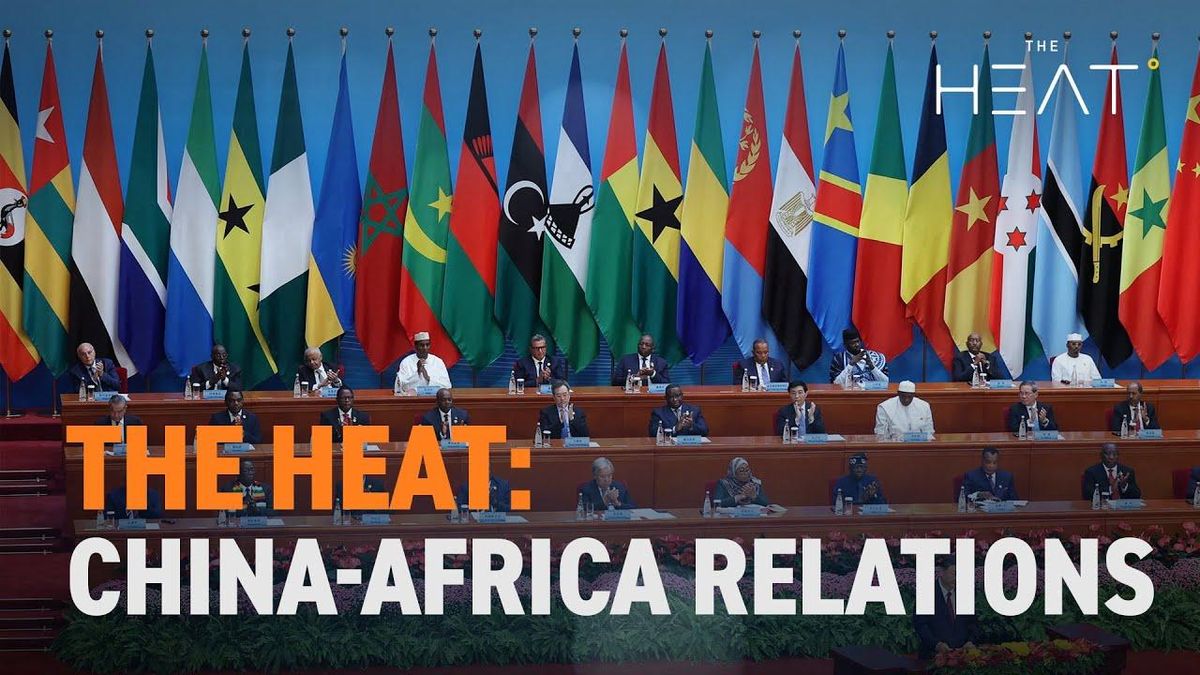
China’s resource acquisition strategy is entering a new phase as the country extends its influence across Africa, significantly reshaping global markets and geopolitical landscapes. Recent diplomatic maneuvers, led by Foreign Affairs Minister Wang Yi, exemplify this approach as China moves to consolidate its foothold on the resource-rich continent amid decreasing Western presence and engagement.
Wang Yi’s current tour, encompassing key African nations such as Namibia, Nigeria, Chad, and the Republic of the Congo, is officially characterized as part of China’s annual diplomatic routine. Yet, global experts are closely observing the trip’s outcomes and potential ramifications. Many African leaders express concern over China’s burgeoning influence, fearing it may escalate to absolute control over their economies. Critics allege this strategy restricts market entry for other nations and hinders local value addition.
Historically, China’s engagement with Africa has yielded substantial strategic and diplomatic advantages, allowing Beijing to leverage Africa’s considerable voting power within international institutions like the United Nations. This dynamic provides China with leverage to push its global agenda. For example, as of now, nations like Burkina Faso and Malawi have shifted their diplomatic allegiances from Taiwan to the People’s Republic of China, significantly altering the balance of recognition and support across the continent.
China’s ties to African states are bolstered by military training initiatives as well, contributing to Beijing’s broader strategic ambitions. The People’s Liberation Army is gearing up to train thousands of African military officers by 2027, indicating China’s intent to reinforce not just defense ties but also political influence within these nations. Current efforts are set against the backdrop of the upcoming 2025-2027 Forum on China Africa Cooperation (FOCAC), which aims to synchronize positions among African countries at multilateral institutions.
The FOCAC action plan outlines ten priority programs, including industrial expansion, free trade zone establishment, and enhanced police and military cooperation. Emphasis on shared governance ideals showcases China’s intent to export its political models, raising eyebrows among observers wary of the potential impacts on Africa’s democratic processes. Critics argue these initiatives boil down to efforts by China to cultivate dependencies among African states, thereby preemptively shaping global narratives and authoritative norms.
China’s intertwined militarization of diplomacy and political outreach is being labeled both as beneficial and exploitive; still, the reality is stark. The Communist Party of China’s International Department maintains close ties with over 130 political parties across Africa, demonstrating concerted efforts to promote governance models favorable to Beijing. Recent seminars conducted by the Academy for International Business Officials have attracted numerous African officials, showcasing the extensive academic and institutional ties being formed.
Nonetheless, it is not just Africa witnessing these dynamics. Tibet, too, emerges as another focal point of China’s resource strategy. Recent scientific discoveries in Tibet promise to revolutionize industries, primarily green energy production. These findings could catalyze China’s efforts to dominate not just regional but also global natural resource markets, particularly as sustainable energy sources become increasingly relevant.
Experts caution African leaders to remain vigilant. While China’s involvement holds potential economic benefits, it may also portend greater control over local economies and political structures. The geopolitical chess game being played is complex and influential, as China seeks to solidify its role as the world’s leading energy and resource provider.
China’s recent ventures could redefine global energy security, thereby placing additional pressure on African nations to navigate their geopolitical interests carefully. Issues surfacing around democratic values and military dependency are likely to intensify as nations must weigh the diplomatic rewards of cooperation with the risks of decreased sovereignty and autonomy.
African leaders are charged with the monumental task of securing their nations’ interests without being enmeshed within China’s expansive plans. Embracing this responsibility means acknowledging not only the significance of engaging with global powers but also the inherent challenges this entails. The expectation rests on Africa to ascertain its own geopolitical relevance within this framework—one where the potential for exploitation exists along with opportunities for enhancing development.
Tracing back to China’s multifaceted approach to resource acquisition, these developments signify more than episodic engagements; they represent sustained efforts to establish strategic footholds across the globe. The dual focus on Africa and Tibet within China’s broader resource management schema will undeniably shape the contours of international relations and possibly even economic structures for years to come.
We’ve launched what we proudly call the “Intelligent Journalism” era: a bold approach to journalism that prioritizes verifiable facts, eliminates unnecessary fluff, restores the rigor of classic journalistic principles, and delivers news in a clear, compelling format—all powered by our innovative AI algorithms.
Support Intelligent Journalism with a tip to help us understand the stories you love most, so we can bring you more of what matters!
We always aim for accuracy, but we recognize that errors can occasionally slip through. We value your feedback and are committed to making corrections whenever needed. If you spot a factual mistake in our stories, please let us know, and we’ll address it promptly.
Please use this feedback form solely for reporting factual errors, rather than for sharing personal opinions. We appreciate your help in keeping our content accurate and reliable.
We always strive for thorough and accurate reporting, and we value any verified information that can help us better understand the stories we cover. If you have relevant knowledge, insights, or evidence related to a news piece we’ve reported, we encourage you to share it with us. Please remember that we require credible proof or documentation to ensure the integrity of our journalism.
When submitting your tip, explain your connection to the case and provide verifiable evidence. This can include links to documents, photographs, recordings, or other supporting materials, as long as they are securely hosted on reputable cloud-based platforms like Google Drive or Dropbox. We cannot accept direct uploads. Please include your contact information (email and phone number) if you would like us to follow up with you regarding your tip. Our editorial team will review your submission, and if necessary, we will reach out for more information. Your help plays a crucial role in helping us deliver accurate, reliable news to the public.
THE PINNACLE GAZETTE, a platform established by Tree of Evolution LLC, is your premier source for the latest news across a diverse array of topics. Our website offers comprehensive coverage on science, technology, current events, art, and sports, ensuring that you stay informed and gain fresh perspectives.
About The Author



More Stories
Closing AI’s Language Gap: Why the Internet Society Is Joining a Global Commitment
What Happens When a Community Wires Itself: Lessons from Colville on the Power of Indigenous-Led Connectivity
From Curiosity to Confidence: CodificaKids Builds Digital Trust in Rural Brazil