
March 11, 2025
On Friday, 7 March, South Africa rejected Elon Musk’s statement that his Starlink satellite company could not operate in the country because he is not Black. The country’s telecoms regulator shared that Starlink had not applied for a licence, according to Reuters.
The founder of Starlink, who was born and went to school in South Africa, wrote on X, “Starlink is not allowed to operate in South Africa, because I’m not black.” Senior official at the foreign affairs department Clayson Monyela responded, “Sir, that’s NOT true, and you know it! It’s got nothing to do with your skin colour. Starlink is welcome to operate in South Africa provided there’s compliance with local laws.”
She added: “This is a global international trade & investment principle.”
Musk was referring to local Black Economic Empowerment rules designed to mitigate racial inequalities formed under apartheid. These rules require foreign investors in South Africa’s telecom sector to allocate 30% of a project’s equity to Black-owned businesses to qualify for a license.
The policy is supported by the African National Congress Party (ANC), a political party in South Africa known for its opposition against apartheid.
South African technology news website TechCentral reported that Starlink’s parent company SpaceX wrote to telecommunications regulator ICASA in January that it should rethink the 30% ownership requirement for licensees. However, an ICASA spokesperson said, “ICASA has not received any application from Starlink or SpaceX.”
In February, ICASA created hearings to accumulate industry input on its suggested South African satellite services licensing framework. But, SpaceX, Starlink’s parent company owned by Elon Musk, told the telecom regulator that it would not engage in the oral hearings. This news came a few hours after SpaceX representatives failed to attend their upcoming presentation that morning.
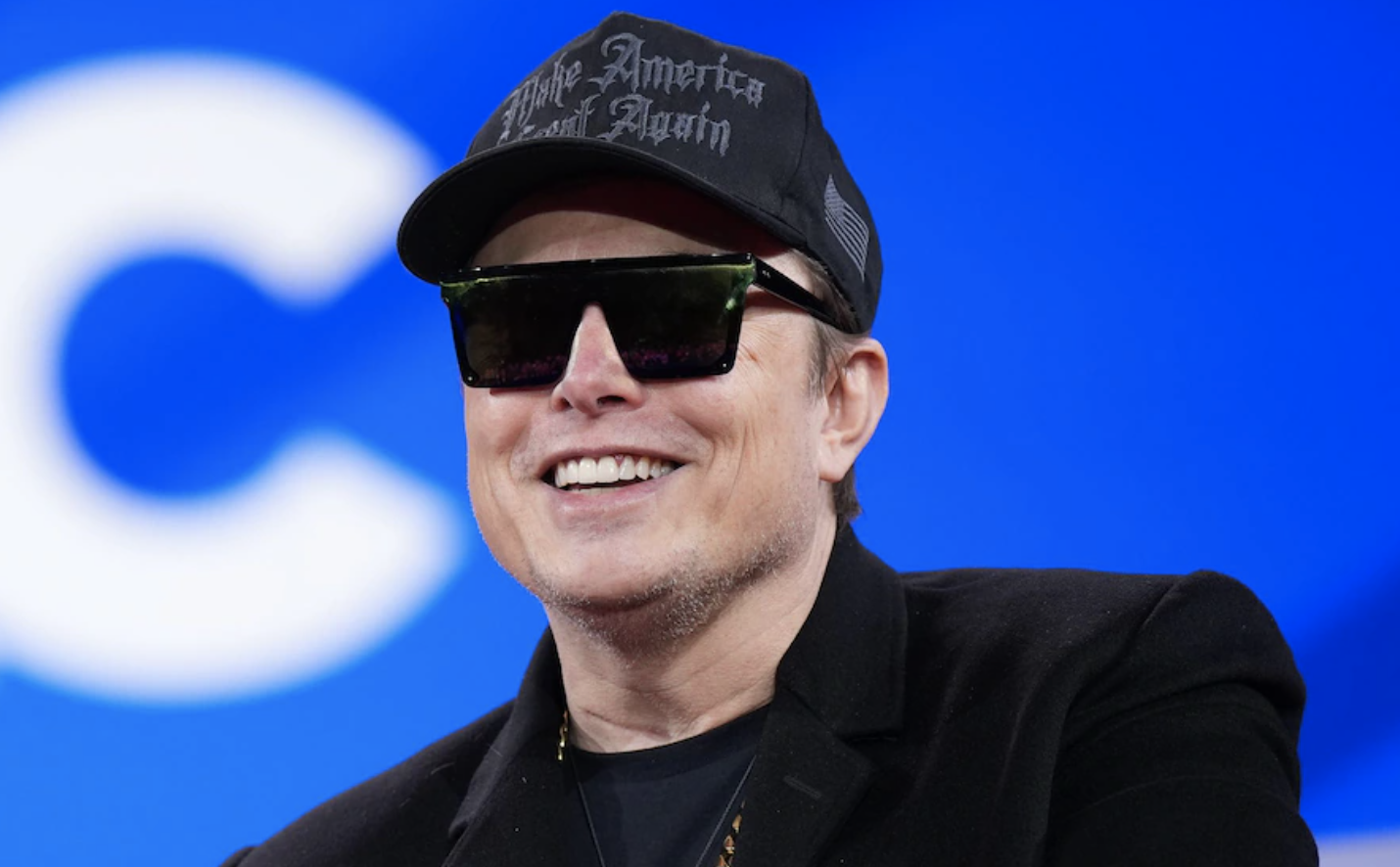
Image: Andrew Harnik/Getty Images
Habiba Katsha is a journalist and writer who specializes in writing about race, gender, and the internet. She is currently a tech reporter at POCIT.
https://www.habibakatsha.com/
About The Author



More Stories
Global Encryption Day Summit 2026: Five Key Conversations on the Future of Digital Trust
What Global Data Tells Us About the Economics of IXPs
We Shouldn’t Have to Give Up Our Safety Online to Be Safe