
Get focused newsletters especially designed to be concise and easy to digest
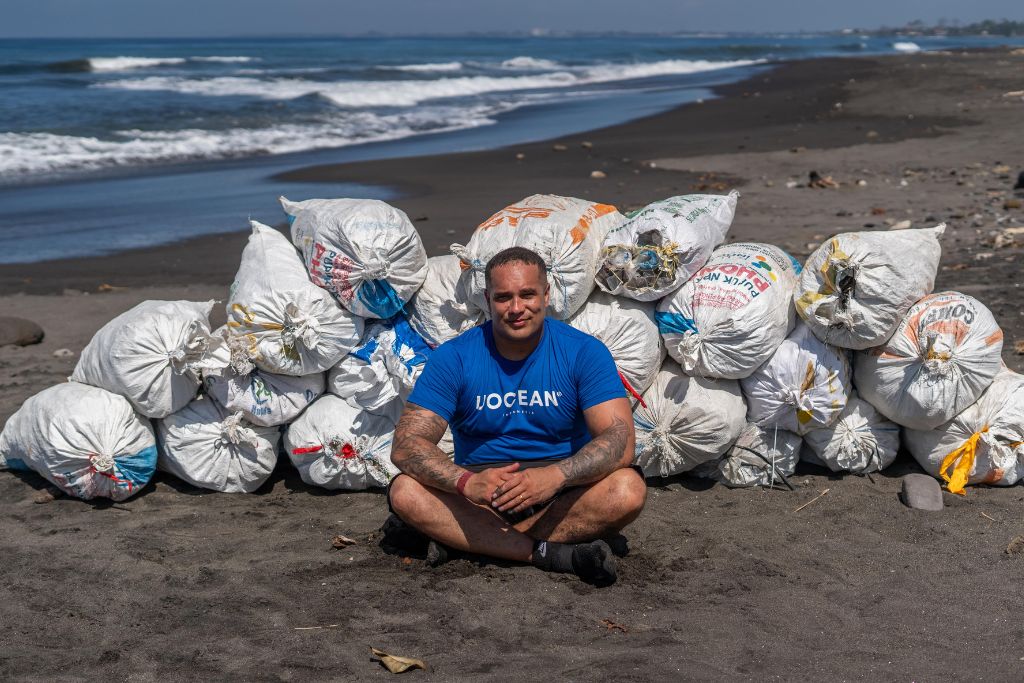
The crisis of plastic pollution in our oceans has reached alarming levels, with devastating impacts on marine life, ecosystems, and human health. At UOCEAN 2050, we aim to halt the influx of plastic waste into our oceans and restore the health of marine environments worldwide with isolated communities and underserved countries. However, one significant challenge we face is the disconnect between academic research and actionable solutions. Universities, despite being hubs of innovation and knowledge, often find themselves trapped in a cycle of research funding that rarely translates into real-world impact. This issue is at the core of why I am speaking at Times Higher Education’s Global Sustainable Development Congress in Thailand on 12 June, hoping to spark a transformation in how academia addresses ocean plastics.
—
Universities are engines of groundbreaking research, but their contributions to solving practical problems like ocean plastics often remain theoretical. The primary reason is the entrenched cycle of research funding. Academics secure grants to conduct studies, far more than conservation organisations can attain to actually do the work needed, they then publish their findings in prestigious journals, and apply for more funding to continue their research. This loop can result in significant knowledge generation but leaves little room for the application of this knowledge in real-world scenarios.
This cycle not only limits the impact of academic research but also perpetuates a system where innovative solutions fail to reach organizations on the frontlines of combating plastic pollution. Non-governmental organizations (NGOs) and grassroots movements are critical players in the fight against ocean plastics. However, they often lack access to the latest research or the resources to implement scientific findings effectively.
You might also like: 10 Plastic Pollution in the Ocean Facts You Need to Know
At UOCEAN 2050, we believe that the key to addressing ocean plastics lies in bridging the gap between research and action. Universities must play a more proactive role in ensuring that their research leads to tangible solutions. This can be achieved through several approaches:
Speaking at Times Higher Education’s Global Sustainable Development Congress provides a unique platform to advocate for these changes. The congress brings together thought leaders, policymakers, and academics from around the world, creating an ideal environment to discuss and promote actionable solutions to global challenges.
My objective at the congress is to highlight the urgent need for universities to move beyond the research funding loop and embrace a more impactful role in addressing ocean plastics. By sharing UOCEAN 2050’s experiences and successes, I aim to inspire other institutions to adopt similar strategies. For instance, our collaborations with NGOs have led to the successful implementation of plastic collection and recycling programs in several coastal communities, demonstrating the power of combining research with action.
The congress is an opportunity to forge new partnerships and networks that can amplify our efforts. Engaging with other delegates can help us identify best practices, innovative technologies, and funding opportunities that align with our mission. It is also a chance to advocate for policy changes that support the translation of academic research into practical solutions.
The fight against ocean plastics requires a concerted effort from all sectors of society, including academia. Universities have the potential to be at the forefront of this battle, but only if they break free from the constraints of the research funding loop. By prioritizing partnerships, interdisciplinary approaches, and community engagement, academic institutions can transform their research into powerful tools for change.
As I prepare to speak at the Global Sustainable Development Congress, my hope is to ignite a sense of urgency, diversification and possibility among attendees. I believe we can create a future where our oceans are free from plastic pollution, and where academic research is seamlessly integrated into the NGO global effort to protect and preserve our planet.
UOCEAN 2050 is committed to leading this charge, and we invite universities, NGOs, industry partners, and policymakers to join us in turning knowledge into action. The health of our oceans and the future of our planet depend on it.
—
Earth.Org is Media Sponsor of THE’s Global Sustainable Development Congress. Join Chris Desai and more than 300 speakers at Queen Sirikit National Convention Center in Bangkok from 10-13 June. A 50% discount is available to readers of this article by entering the code: EARTH50. To hear and meet Chris, or any of the other speakers book your ticket here now.
Hand-picked stories weekly or monthly. We promise, no spam!




Boost this article
By donating us $100, $50 or subscribe to Boosting $10/month – we can get this article and others in front of tens of thousands of specially targeted readers. This targeted Boosting – helps us to reach wider audiences – aiming to convince the unconvinced, to inform the uninformed, to enlighten the dogmatic.
donate
About The Author

More Stories
Community Snapshot—May
From Refugee to Digital Leader: How Justin Is Helping to Connect Rhino Camp
The World Cup of Internet Resilience