
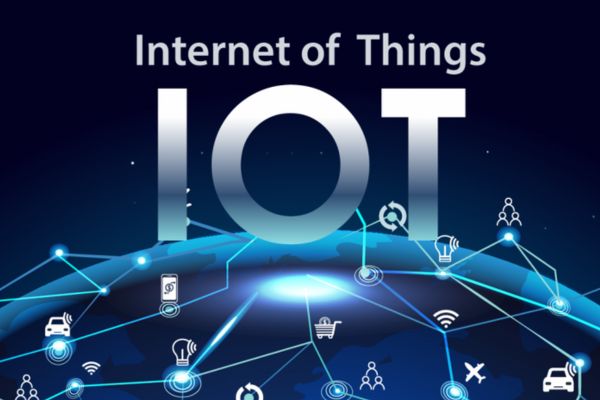
The Internet of Things (IoT) has become an indispensable part of the modern world. From smart homes and wearables to connected cars and industrial machines, IoT is rapidly reshaping how we interact with our environment. With IoT technology growing at an unprecedented rate, the market is on the verge of a transformation that promises to redefine industries across the globe.
As of 2024, the global Internet of Things (IoT) market size is valued at USD 500.88 billion, and it is forecasted to soar to over USD 3,874.18 billion by 2034. This represents a robust compound annual growth rate (CAGR) of 22.7% from 2024 to 2034. Such rapid expansion highlights the immense potential IoT holds in reshaping the global technological landscape.
Venture capital (VC) investors play a crucial role in the early-stage growth of IoT startups. Many IoT innovators are emerging as part of the next wave of technological disruption. VC funds that target startups in IoT-focused areas, such as smart cities, industrial automation, and IoT security, stand to benefit from the massive growth potential of these companies. Identifying and supporting disruptive IoT technologies early in their lifecycle can result in high returns as they scale up and attract more significant investments.
Several publicly traded companies have already established themselves as leaders in the IoT space, making them prime candidates for investment. Companies involved in the development and production of IoT hardware, software, and connectivity platforms are already benefitting from the growing demand for connected solutions. For example:
For those who prefer a diversified approach to investing in IoT, Exchange-Traded Funds (ETFs) focused on technology, robotics, and IoT-related sectors can be an excellent choice. These ETFs allow investors to gain exposure to a basket of companies within the IoT space, spreading risk while still benefiting from the growth of the overall market.
The rise of smart cities and IoT-powered infrastructure has led to significant investments in real estate projects that integrate IoT technology. Real estate developers are increasingly incorporating IoT solutions in their designs, such as smart building systems, energy management, and connected public spaces. Investors can benefit from these projects through real estate investment trusts (REITs) or direct investments in smart properties.
North America is currently the dominant region in the IoT market, driven by early technology adoption, a robust tech ecosystem, and high demand for IoT solutions in healthcare, manufacturing, and automotive sectors. However, the Asia Pacific region is expected to witness the highest growth rate over the next decade. With rapidly expanding economies like China and India, the adoption of IoT technologies in industries such as manufacturing, agriculture, and smart cities is poised to accelerate.
Europe is also making significant strides in IoT adoption, particularly in industrial IoT and smart city initiatives. The European Union has been at the forefront of encouraging IoT innovation through various funding programs and regulatory frameworks to enhance the digital economy.
While the potential of the IoT market is enormous, there are several challenges to overcome. Security remains a top concern, with the growing number of connected devices creating a larger attack surface for cybercriminals. Ensuring data privacy and implementing strong security measures are critical for the continued success of IoT.
Interoperability is another challenge, as different IoT devices and platforms often struggle to communicate with one another. Standardization of protocols and interfaces is essential for seamless integration and functioning across diverse IoT ecosystems.
Moreover, concerns regarding data storage and processing capabilities will need to be addressed as IoT generates massive amounts of data. This will require advanced cloud infrastructure and analytics platforms to manage and extract value from the data.
The next decade holds immense promise for IoT, with industries and consumers alike benefiting from smarter, more connected systems. As 5G networks roll out globally, the IoT landscape will become even more dynamic, enabling faster data transmission, lower latency, and the ability to support an even greater number of connected devices.
From autonomous vehicles to connected factories and smart cities, the future of IoT is limitless. The market will continue to evolve, presenting exciting opportunities for innovators, entrepreneurs, and businesses looking to tap into this growing technological frontier.
As we look toward the future, it’s clear that the Internet of Things is not just a trend but a fundamental shift in how the world operates. With a projected market size of nearly USD 3.9 trillion by 2034, the IoT revolution is just getting started.
About The Author

More Stories
From Refugee to Digital Leader: How Justin Is Helping to Connect Rhino Camp
The World Cup of Internet Resilience
Community-Centered Connectivity Initiatives Earn Viddy Awards Recognition